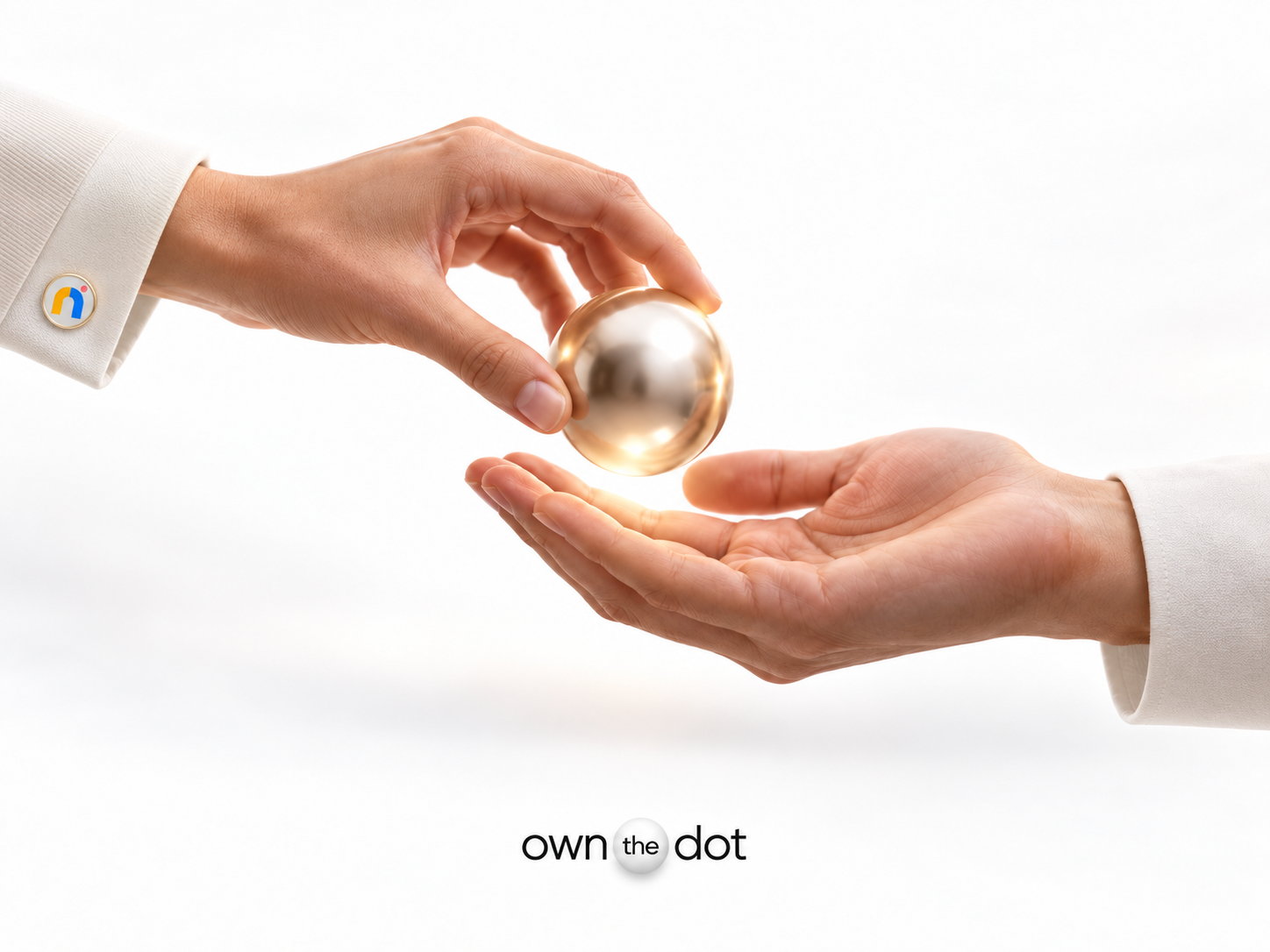
Today marks an important change for one of the most familiar names in the Handshake ecosystem.
For years, many people were introduced to Handshake through Namebase.
It made buying $HNS, participating in auctions and managing Handshake names considerably easier.
But the old Namebase was also custodial.
Today, October 1, marks the scheduled closure of that legacy custodial platform.
The new Namebase will be different.
It is built around self custody.
And that change is about more than moving names from one place to another.
It's about ownership.
Handshake Is Not Namebase
Before going any further, there is an important distinction to make.
Handshake is the protocol. Namebase is a service built around it.
Because Namebase became such a familiar way of accessing Handshake, it was easy to think of the two as the same thing.
They aren't.
Handshake exists independently as a decentralised naming protocol.
Namebase is one way of interacting with it.
And that distinction becomes particularly important when we talk about custody.
The Convenience of Custody
The old Namebase made things easy.
Instead of immediately having to understand wallets, private keys and blockchain transactions, users could hold their $HNS and Handshake names within a familiar account based system.
For an emerging technology, that convenience served a purpose.
It lowered the barrier to entry.
But there was a trade off.
Namebase held the assets within its custodial system.
You may have owned the Handshake name, but Namebase looked after much of the responsibility involved in managing it.
That included something as simple as renewals.
Even the Heartbeat Was Looked After
Handshake names require a periodic renewal transaction.
Within the Handshake community, this is often described as a heartbeat transaction.
The old Namebase could automatically take care of that heartbeat for its users.
That was convenient.
You didn't necessarily have to remember when your name needed renewing.
But there was another side to that convenience.
Names could continue being renewed without their owners having to actively maintain them.
Someone may own a name for years without actively using it and still have every intention of keeping it.
There will also be names whose owners have simply walked away.
Under an automatic custodial system, some names could continue receiving their heartbeat indefinitely, creating the possibility of a “forever renewal” scenario.
With self custody, that responsibility returns to the owner restoring the spirit in which the Handshake protocol was built.
If you want to keep your name, you need to look after it.
If a name is genuinely abandoned and eventually isn't renewed, it can return to the pool of names available for auction.
Someone else may then have the opportunity to own it and actually use it.
From Custody to Ownership
The new Namebase takes a very different approach.
It is non custodial.
Your names can be held in a wallet you control.
Your keys remain under your control.
Namebase can provide the tools and services around the name without needing to hold the name for you.
That brings the experience much closer to one of the fundamental ideas behind Handshake:
ownership without needing someone else to hold it for you.
But greater control also brings greater responsibility.
Your Name. Your Responsibility.
Self custody means looking after your keys.
It means backing up your recovery information.
It means understanding that blockchain transactions generally cannot simply be reversed.
And it means remembering that your Handshake name still needs its heartbeat.
There may not be a company sitting in the middle automatically taking care of everything for you.
That can require a little more effort.
But that's also the point.
Ownership means control.
And control comes with responsibility.
An Interesting Step Forward
The transition from the old Namebase to the new one doesn't change what Handshake is.
Handshake was already the decentralised protocol.
What has changed is one of the most familiar ways people interact with it.
The old Namebase helped make Handshake easier to enter.
The new Namebase is taking a different approach providing services while leaving custody with the owner.
Perhaps that's a natural progression.
First, make the technology easier to access.
Then make ownership easier to manage.
Because if the idea behind Handshake is that we can truly own our names, eventually we also need to be prepared to look after them.
Own the Name. Own the Rules. Own The Dot. ⚪️